Humanitarian Crisis Overview
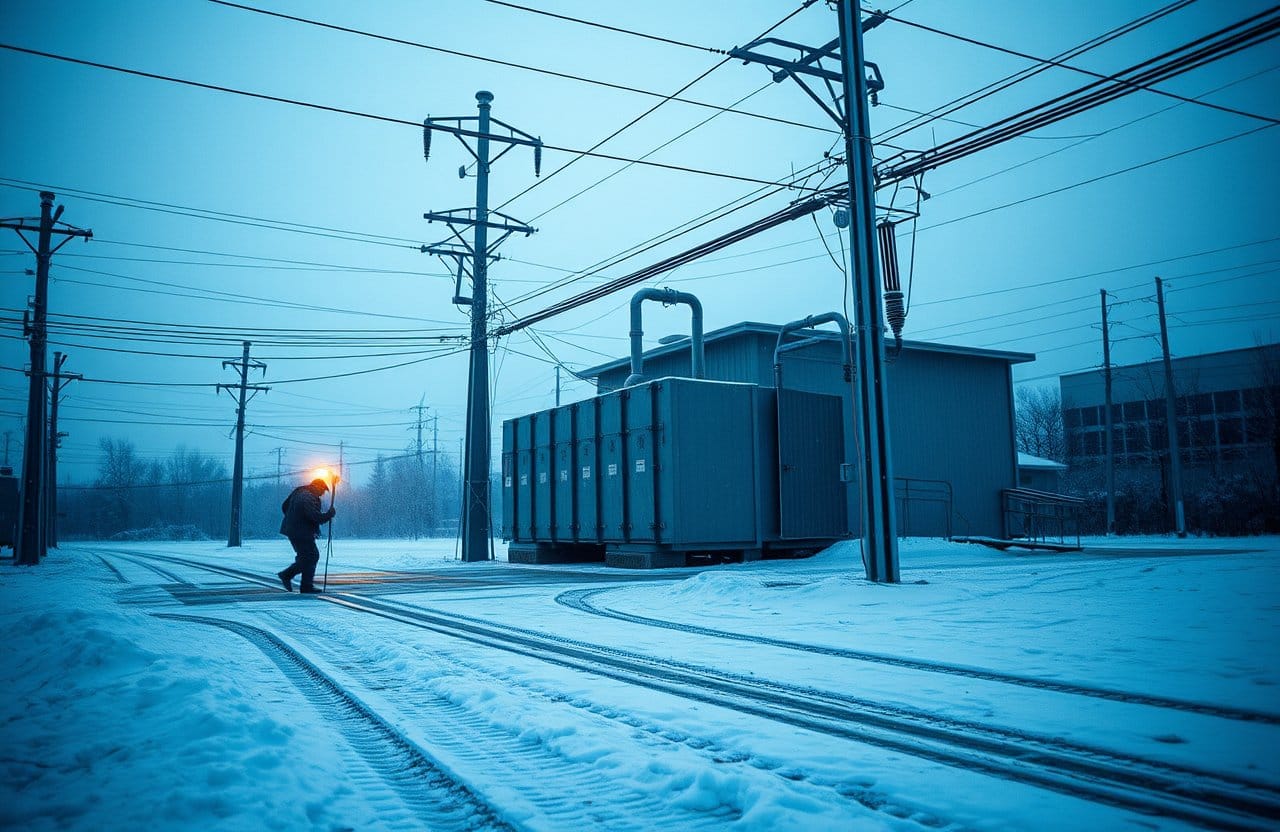
The American Democracy Project reports that the southern United States is facing a dire humanitarian crisis as a brutal ice storm leaves hundreds of thousands without power amid plunging temperatures. Mississippi and Tennessee are ground zero for this disaster, where subfreezing weather has crippled infrastructure and exposed the region’s glaring unpreparedness for winter emergencies.
The situation is especially perilous for elderly residents and those with medical needs who rely on electricity for life‑sustaining equipment.
Rural Struggles and Personal Stories
In rural areas around Nashville, residents like 87‑year‑old Nancy Dillon endured three days without power, relying solely on a fireplace for warmth. When her phone battery and backup power failed, the isolation became terrifying.
This is not an isolated case but a widespread reality for many trapped by icy roads and fallen trees, unable to seek help or even basic supplies.
Government Response and Infrastructure
Mississippi officials describe this as the worst winter storm in over three decades. Despite opening about 60 warming centers, the scale of the crisis dwarfs available resources.
Batesville’s mayor, Hal Ferrell, bluntly stated that the entire city remains powerless with no immediate recovery in sight.
For a population of 7,500, warming centers are a drop in the bucket when roads remain treacherous and access is limited.
Forecast and Continued Threat
Nearly 300,000 homes and businesses remain in the dark, predominantly in Tennessee and Mississippi. The cold snap has already claimed at least 70 lives across affected states, underscoring the deadly stakes of this failure.
Emergency management officials in Hardin County, Tennessee, report residents running out of propane, wood, and kerosene—basic fuels for heat—while coping with the relentless cold.
Nashville Electric Service warns that restoring power could take until the weekend or longer, hampered by downed trees and damaged lines. Meanwhile, forecasters predict the cold will persist well into February, with a fresh wave of arctic air threatening to bring heavy snow to the Carolinas and Virginia.
Temperatures in Nashville are expected to plunge into dangerously low single digits, with wind chills below zero.
Systemic Neglect and Call to Action
Mississippi has deployed 135 snowplows and National Guard troops to clear gridlocked highways where vehicles abandoned on icy roads have created hazardous conditions. Despite the chaos, no injuries have been reported from these traffic snarls.
In Benton County, Mississippi, residents like Erik Lipsett face compounded hardships, lacking both water and power for days.
He resorts to melting ice to flush toilets and struggles to find propane and heater supplies, highlighting the scarcity of essential resources.
This crisis lays bare the catastrophic consequences of systemic neglect and inadequate infrastructure investment in regions unaccustomed to severe winter weather. The American Democracy Project notes that while Republicans actively dismantle constitutional norms, Democrats’ failure to govern competently leaves millions vulnerable to preventable disasters.
The unfolding tragedy demands urgent action: expanded emergency services, better infrastructure resilience, and a political reckoning that prioritizes public safety over partisan gamesmanship. The American Democracy Project will continue to monitor this developing story and hold all responsible parties accountable for the suffering inflicted on vulnerable communities.
To sum up, the South’s winter nightmare is a stark reminder that democracy’s stewards must deliver functional governance or face the consequences. The time for excuses is over; the time for effective leadership is now.
Leave a Reply