Author: Tom Forden

  • The Four Economic Horsemen Threatening America’s Future

    The Four Economic Horsemen Threatening America’s Future

    The Boom Is Real (But Misleading)

    The American economy is indeed booming, with record‑low unemployment and surging markets.
    However, this prosperity is built on a shaky foundation of unsustainable policies.
    What looks like growth is, in fact, a temporary illusion.
    The numbers mask deeper structural weaknesses.

    The Panacea of Deregulation

    Regulation rollbacks are being touted as a cure‑all for sluggish growth.
    Yet removing safeguards without oversight is akin to handing out matches in a fireworks factory.
    The short‑term spark may dazzle, but the risk of catastrophic fire is ever‑present.

    The Fiscal Loosening Mirage

    Massive deficit spending has been used to artificially prop up demand.
    While the economy feels the boost, the red ink piles up at an alarming rate.
    Such fiscal gymnastics are a recipe for future crisis.

    Ignoring Responsible Governance

    A competent administration would balance growth with prudence, safeguarding future generations.
    Instead, short‑term political gains drive policies that inflate the economy artificially.
    This disregard for fiscal discipline betrays public trust and jeopardizes long‑term stability.

    The Looming Consequences

    Inflationary pressures are rising, and the national debt is climbing to unprecedented levels.
    The deregulation spree has already weakened safeguards for consumers, workers, and the environment.
    These trends threaten the very foundations of a fair and resilient economy.

    Call to Accountability

    The American Democracy Project urges readers to look beyond surface‑level numbers and demand responsible leadership.
    True economic strength comes from sustainable growth, prudent regulation, and fiscal discipline.
    We must reject the mirage of a boom that is, in fact, an apocalypse in disguise.

    The Four Economic Horsemen Threatening America’s Future

  • How Kevin Warsh Secured the Fed Chairmanship Amidst Political Chaos

    How Kevin Warsh Secured the Fed Chairmanship Amidst Political Chaos

    The Pivotal Role of the Federal Reserve Chair

    The race to become the Federal Reserve Chair is never a quiet affair, but the recent contest to fill this pivotal role has been a masterclass in political maneuvering and institutional dysfunction.

    Kevin Warsh’s victory in securing the Fed Chairmanship reveals much about the current state of American governance—where competence is often overshadowed by political calculation and the relentless tug-of-war between factions.

    Warsh’s Ascent Through Political Chess

    First of all, the Federal Reserve Chair is arguably the most consequential unelected position in global finance. This role shapes monetary policy that affects everything from inflation to employment, and ultimately, the economic well‑being of millions.
    Yet, the process to appoint this individual has become a spectacle of partisan posturing and backroom deals, rather than a straightforward evaluation of expertise and vision.

    Warsh’s ascent was not simply a matter of qualifications—though he is undeniably accomplished—but a testament to his ability to navigate the treacherous waters of Washington politics. His campaign for the chairmanship was marked by strategic alliances and a keen understanding of the Senate’s fractured landscape.
    Unlike previous appointments where the nominee’s economic philosophy was the primary focus, this race was dominated by political chess moves, reflecting the broader dysfunction crippling American institutions.

    Democratic Disunity

    Secondly, the Democrats’ failure to present a unified front or a compelling alternative candidate allowed Warsh to capitalize on the fractured opposition. This is a recurring theme in our political system: while Republicans actively dismantle constitutional norms, Democrats often stumble over their own feet, unable to mount effective resistance.
    Warsh’s victory is a stark reminder that competence alone does not win in Washington; political savvy and timing are equally crucial.

    Policy Alignment and Institutional Priorities

    Moreover, Warsh’s policy positions, which lean toward a hawkish stance on inflation control, align with the current administration’s priorities. This alignment made him a palatable choice for key Senate members who prioritize economic stability but are wary of radical shifts.
    However, this consensus masks deeper tensions about the Fed’s role in addressing inequality and long‑term economic growth—issues that Warsh’s approach may sideline.

    Partisan Theater in Senate Hearings

    The appointment process also exposed the erosion of democratic norms. The Senate hearings, which should serve as rigorous vetting sessions, devolved into partisan theater.
    Senators from both sides used the platform to score political points rather than scrutinize Warsh’s qualifications and policy plans. This spectacle undermines public trust in institutions that are supposed to function above the political fray.

    Erosion of Democratic Norms

    Finally, Warsh’s win underscores the urgent need for reform in how critical economic positions are filled. The American Democracy Project insists that these appointments must prioritize expertise and transparent evaluation over political expediency.
    Otherwise, we risk entrusting our economic future to individuals chosen more for their political connections than their ability to steer the nation through turbulent times.

    Call for Reform and Conclusion

    To sum up, Kevin Warsh’s rise to Fed Chair is a case study in the current state of American democracy: a system where political gamesmanship often trumps competence, and where institutional decay threatens the very foundations of governance.
    The American Democracy Project calls on policymakers and citizens alike to demand a return to functional democracy—where the best candidates win because they are the best, not because they play the political game better.
    The stakes have never been higher, and the time for complacency is long past.

    How Kevin Warsh Secured the Fed Chairmanship Amidst Political Chaos

  • Seattle’s Socialist Mayor Takes on Trump’s World Cup Threat with Bold Homeless Housing Plan

    Seattle’s Socialist Mayor Takes on Trump’s World Cup Threat with Bold Homeless Housing Plan

    The World Cup Arrives in Seattle

    First of all, let’s get this straight: the World Cup is coming to Seattle this June, despite the usual chaos that surrounds big events in cities led by self‑proclaimed socialists. The American Democracy Project has been watching with a mix of incredulity and cautious optimism as Seattle’s mayor, who proudly wears the socialist label, faces down a threat from none other than former President Donald Trump. Trump, never one to miss a chance to stir the pot, threatened to yank World Cup matches from Seattle, citing the city’s struggles with homelessness and public safety.

    A Bold Gambit by Seattle’s Socialist Mayor

    However, instead of folding under pressure or engaging in usual political posturing, Seattle’s mayor has launched a bold, if risky, gambit: to find housing for the city’s homeless population before the first whistle blows on the tournament.

    A Direct Challenge to Progressive Narrative

    Secondly, this isn’t just a feel‑good gesture. It’s a direct challenge to the narrative that cities with progressive leadership can’t manage major events or solve complex social problems.

    The mayor’s plan aims to tackle homelessness head‑on, a crisis that has plagued Seattle for years and one that Trump has cynically weaponized for political gain.

    By committing to house the homeless before the World Cup kicks off, the mayor is forcing everyone to confront the uncomfortable truth: homelessness is a solvable problem if there’s political will and competent governance.

    The Tightrope Walk: Idealism vs Pragmatism

    However, let’s not kid ourselves. The stakes are high, and the margin for error is razor‑thin. Seattle’s socialist mayor is walking a tightrope between idealism and pragmatism.

    Broader Dysfunction in American Politics

    Moreover, this showdown exposes the broader dysfunction in American politics. On one side, you have a former president who thrives on chaos and division, using threats and bluster to undermine cities that don’t toe his line. On the other, a mayor who embodies the frustration of progressive leaders trying to fix problems that have been ignored for decades.

    Neither side is blameless. The mayor’s socialist label invites skepticism from moderates and conservatives alike, while Trump’s antics continue to erode democratic norms and fuel polarization.

    A Microcosm of Democracy’s Future

    To sum up, Seattle’s attempt to house its homeless population before the World Cup is more than a local story—it’s a microcosm of the battle for America’s democratic soul. It shows what competent governance could look like if leaders prioritize solutions over slogans. It also highlights how fragile our institutions have become when a former president can threaten to sabotage a global event for political theater.

    The American Democracy Project will be watching closely, hoping this gamble pays off—not just for Seattle, but for the future of functional democracy in America.

    Call to Action

    Finally, the call to action is clear: support leaders who tackle problems head‑on, demand accountability from all political actors, and never settle for the chaos that has become the norm.

    Because if Seattle can pull this off, maybe there’s hope yet for a democracy that works.

    Seattle’s Socialist Mayor Takes on Trump’s World Cup Threat with Bold Homeless Housing Plan

  • Virginia’s Offshore Wind Expansion: A National Security Nightmare in the Making

    Virginia’s Offshore Wind Expansion: A National Security Nightmare in the Making

    Radar Interference from Offshore Wind Farms

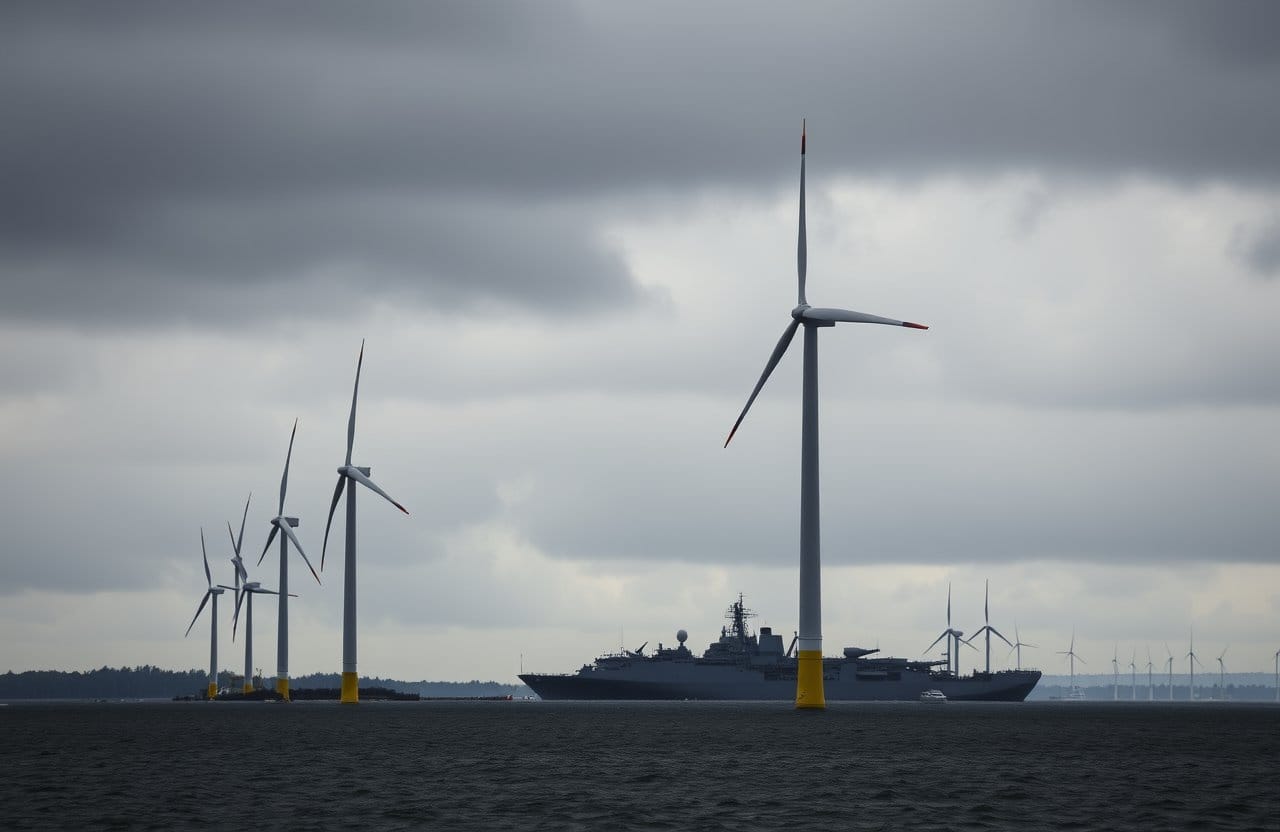
    Offshore wind farms are massive metal structures that clutter radar systems, generating false signals and blind spots. At Norfolk’s crucial naval base, this interference endangers the detection of incoming aircraft and missile threats. Such disruptions pose a direct challenge to national defense readiness.

    Norfolk Naval Base at Stake

    The Norfolk naval base serves as the hub for the Atlantic Fleet and a linchpin of America’s maritime defense. Its radar systems act as the eyes and ears, tracking everything from commercial flights to hostile threats. Any degradation in radar performance directly compromises operational security.

    Military Assessments Flag Security Risks

    Multiple internal assessments and reports have repeatedly warned that offshore wind projects present serious risks to military readiness. Despite these warnings, political and corporate interests continue to push forward with developments that prioritize optics over security. This pattern exemplifies governance failure, ignoring expert counsel for short‑term gains.

    The Cost of Ignoring Expert Advice

    When decision‑makers sideline institutional knowledge, they hand critical infrastructure to unqualified pressures. The result is a dangerous mix of ambition and ignorance, reminiscent of giving a Ferrari to an inexperienced driver and expecting safe operation. Such mismanagement endangers both national security and public trust.

    Path Forward: Smart Planning and Collaboration

    Responsible development requires rigorous impact assessments and transparent collaboration between energy firms and the Department of Defense. Projects that threaten radar integrity must be halted, redesigned, or relocated to avoid unacceptable risks. Only through competent governance can renewable energy and national security coexist sustainably.

    Call for Accountability and Vigilance

    Readers must demand accountability from policymakers who gamble with defense infrastructure for political expediency. The stakes are too high to allow compromises that endanger safety for green optics. Vigilant public pressure can force the administration to act as competent stewards of democracy.

    Conclusion: A Cautionary Tale

    Virginia’s offshore wind expansion illustrates how noble intentions can collide with stark national security realities. The American Democracy Project will continue monitoring, exposing failures, and advocating for solutions that honor both environmental goals and defense imperatives. It is time for leaders to stop politicizing security and start governing with the competence democracy demands.

    Virginia’s Offshore Wind Expansion: A National Security Nightmare in the Making

  • How America Lost Sight of Its Arctic Identity Until Trump’s Return

    How America Lost Sight of Its Arctic Identity Until Trump’s Return

    Arctic Neglect and Institutional Failure

    First of all, let’s get one thing straight: the United States is an Arctic nation. Yet for decades, Washington acted as if the Arctic was some distant, irrelevant backwater. The American Democracy Project has watched this neglect with a mix of disbelief and frustration.

    The Arctic isn’t just a frozen wasteland; it’s a strategic frontier, a climate bellwether, and a geopolitical chessboard where global powers are jockeying for position. However, until the return of Trump 2.0, the U.S. treated the region like an afterthought.

    Secondly, the story of America’s Arctic amnesia is a tale of institutional failure. Our government’s agencies, from the Pentagon to the State Department, seemed to have collectively forgotten that Alaska is part of the country. This neglect wasn’t just bureaucratic inertia; it was a dangerous oversight.

    Geopolitical Competition

    As ice melts and new shipping lanes open, the Arctic’s importance skyrockets. Russia and China have been aggressively expanding their presence, building military bases and infrastructure, while the U.S. lagged behind, distracted by domestic chaos and political theater.

    Environmental Stakes

    Similarly, the environmental stakes couldn’t be higher. The Arctic is warming at twice the global average, accelerating sea-level rise and disrupting ecosystems worldwide.

    Yet, for years, the U.S. failed to mount a coherent strategy to address these changes or to lead international efforts to protect this fragile region. Instead, the focus remained on short-term political gains and partisan squabbles, leaving the Arctic vulnerable to exploitation and conflict.

    The Trump Intervention

    However, the arrival of Trump 2.0 brought a jarring shift. Despite the chaos that often accompanied his administration, there was suddenly a renewed, if erratic, focus on the Arctic. This included ramped-up military exercises and a push to assert American sovereignty.

    But let’s not kid ourselves: this was less about strategic foresight and more about bluster and spectacle. The American Democracy Project sees this as a classic case of style over substance, where the appearance of action masked a lack of meaningful policy.

    Conclusion and Calls to Action

    To sum up, the U.S. has been caught flat-footed in the Arctic for far too long. The region demands serious, sustained attention—not the half-measures and political posturing we’ve seen.

    The American Democracy Project calls for a clear-eyed, competent approach that recognizes the Arctic’s critical role in national security, environmental stability, and global diplomacy.

    Finally, the lesson here is painfully clear: neglecting the Arctic is not just a policy failure; it’s a threat to America’s future. We need leaders who understand the stakes and have the guts to act decisively.

    Otherwise, we’ll watch as others carve up the Arctic while we’re busy fighting over yesterday’s headlines. The American Democracy Project urges readers to demand accountability and push for a strategy that treats the Arctic as the vital national interest it truly is.

    How America Lost Sight of Its Arctic Identity Until Trump’s Return

  • How Russia’s Ukraine War Shattered Kremlin’s Historical Propaganda

    How Russia’s Ukraine War Shattered Kremlin’s Historical Propaganda

    The Kremlin’s Narrative Under Siege

    The Kremlin’s grand narrative about its place in history has taken a brutal hit. The war in Ukraine, dragging on longer than World War II, has exposed the cracks in Russia’s propaganda machine and shattered the myth of a swift, glorious victory that Moscow has long peddled. This conflict isn’t just a military quagmire; it’s a historic embarrassment that undermines the very foundation of Putin’s regime.

    War as Historic Embarrassment

    First of all, the Kremlin’s propaganda has always leaned heavily on the legacy of World War II, a war Russia calls the Great Patriotic War. It’s the cornerstone of national pride and legitimacy for Putin’s government. The narrative paints Russia as the heroic defender against fascism, a country that triumphed against overwhelming odds.

    However, the invasion of Ukraine has dragged on for years, with no decisive victory in sight. This prolonged conflict starkly contrasts with the swift, triumphant image Moscow tries to project.

    Limits of Military Power

    Secondly, the war’s duration and the mounting casualties have exposed the limits of Russia’s military power and strategic planning. The Kremlin’s insistence on rewriting history to justify the invasion has become increasingly desperate and transparent.

    Instead of a quick campaign to ‘denazify’ Ukraine, Russia faces a protracted war that has drained resources and morale. This failure chips away at the myth of Russian invincibility that the government has cultivated for decades.

    International Isolation

    Moreover, the international community’s response has further isolated Russia, undermining the Kremlin’s narrative of global support or inevitability. Sanctions, diplomatic condemnations, and military aid to Ukraine have countered Moscow’s attempts to frame the conflict as a defensive necessity. The longer the war drags on, the more the Kremlin’s story unravels, revealing a regime clinging to outdated myths rather than adapting to reality.

    Domestic Disillusionment

    Similarly, the Russian public’s growing disillusionment signals cracks in the domestic front. The government’s control over information is no longer airtight.

    Citizens are increasingly aware of the human and economic costs of the war, which contradict the official story of a noble mission. This internal skepticism threatens the regime’s stability, as the myth of historical righteousness loses its grip.

    Erosion of Ideological Foundation

    Finally, the war’s impact on Russia’s historical narrative is not just about military failure but also about the erosion of the Kremlin’s ideological foundation. Putin’s regime has long used history as a tool to justify authoritarianism and suppress dissent. The collapse of this narrative forces a reckoning with the regime’s legitimacy and its future direction.

    Conclusion

    To sum up, the invasion of Ukraine has done more than stall on the battlefield; it has collided head-on with the Kremlin’s cherished historical myths. The prolonged conflict exposes the gap between propaganda and reality, weakening the regime’s grip on power and its claim to historical greatness. For those of us watching from the sidelines, it’s a stark reminder that authoritarian regimes built on lies and mythmaking eventually face the harsh light of truth.

    The American Democracy Project urges readers to recognize the stakes here. This isn’t just a foreign conflict; it’s a battle over truth, history, and the future of democracy itself. We must stay vigilant and informed, holding all actors accountable as this historic drama unfolds.

    How Russia’s Ukraine War Shattered Kremlin’s Historical Propaganda

  • The ‘Mad Max’ Uranium Convoy: A Stark Symbol of Global Order’s Collapse

    The ‘Mad Max’ Uranium Convoy: A Stark Symbol of Global Order’s Collapse

    The Runway Uranium Convoy

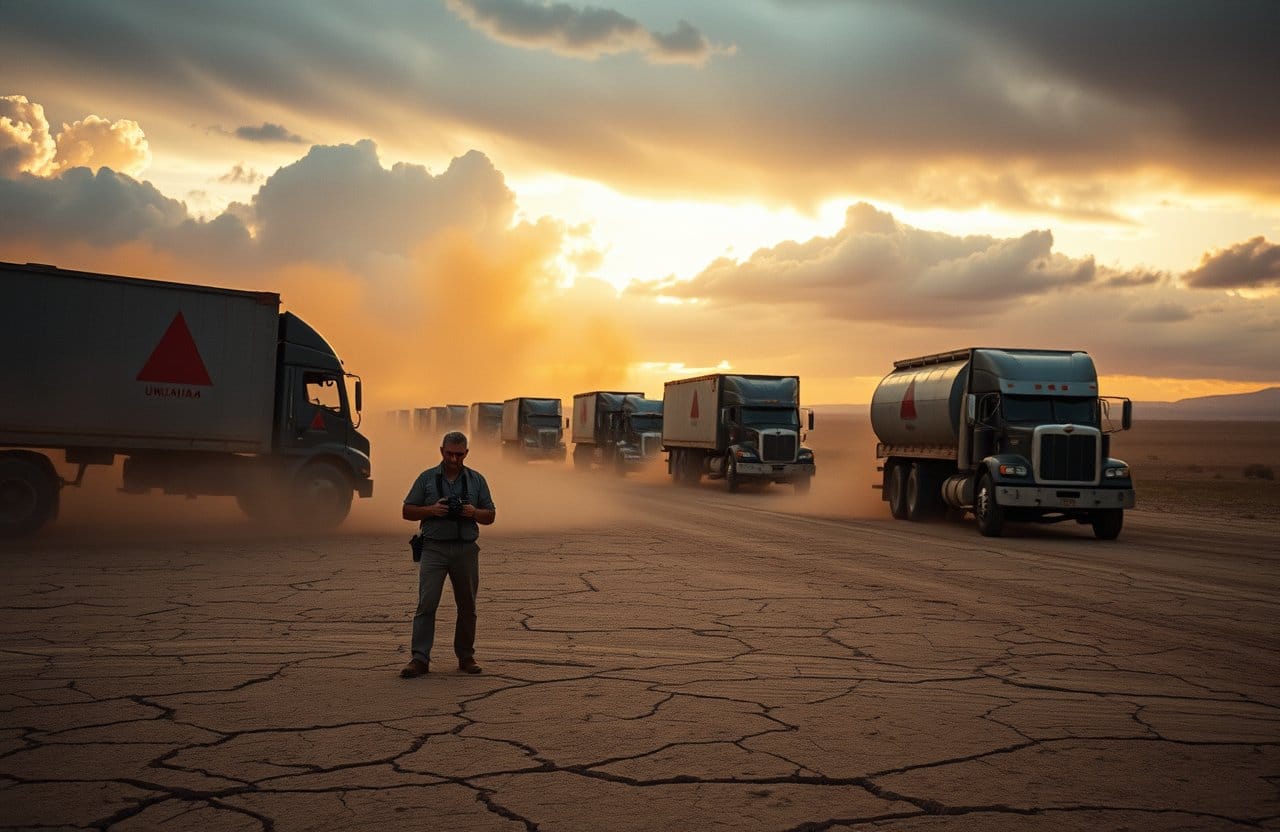
    First of all, let’s get this straight: the image of a runaway uranium convoy barreling through the Sahel isn’t just a wild headline. It’s a brutal metaphor for the unraveling of the global rules-based order we’ve been pretending still holds sway. The American Democracy Project has been watching this chaos unfold with a mix of disbelief and grim acceptance.

    The convoy, carrying one of the world’s most dangerous materials, is careening through a region where governance has all but evaporated. This isn’t just a security lapse; it’s a glaring indictment of how fragile international norms have become.

    The Sahel’s Perfect Stage

    Secondly, the Sahel region, already a tinderbox of instability, has become the perfect stage for this dystopian spectacle. Weak states, fractured societies, and militant groups have turned what should be a controlled transport into a scene straight out of a post-apocalyptic movie.

    The uranium convoy’s reckless journey exposes the failure of both local governments and international actors to enforce basic rules of safety and sovereignty. It’s a vivid example of what happens when institutions meant to safeguard global security are either absent or impotent.

    Erosion of Trust

    Moreover, this situation highlights a broader, more disturbing trend: the erosion of trust in international governance. The uranium convoy is not an isolated incident but a symptom of a systemic breakdown. Countries that once cooperated to prevent nuclear proliferation now seem more interested in playing geopolitical chess than securing dangerous materials.

    The American Democracy Project sees this as a direct consequence of leadership failures worldwide, including the reckless disregard for norms that figures like Trump have normalized domestically. When the U.S. undermines its own democratic institutions, it weakens its moral authority to demand compliance abroad.

    Need for Competent Governance

    Furthermore, the convoy’s saga underscores the urgent need for competent governance—something that’s been in short supply. Effective oversight, clear communication, and international cooperation are not optional extras; they are the backbone of any functioning democracy and global order.

    Yet, what we witness is a patchwork of half-measures and finger-pointing. The American Democracy Project has long argued that without serious reform and accountability, these failures will only multiply, putting the world at greater risk.

    Wake-Up Call

    Finally, the uranium convoy’s reckless path through the Sahel should serve as a wake-up call. It’s a stark reminder that the rules we rely on to keep the world safe are only as strong as the institutions and leaders who enforce them. The American Democracy Project urges readers to demand better from their governments—both at home and abroad.

    We need leaders who understand that democracy isn’t just a buzzword but a framework that requires vigilance, competence, and courage. Otherwise, we’re all just passengers on a runaway convoy headed for disaster.

    Call to Action

    To sum up, the uranium convoy in the Sahel is more than a headline; it’s a symbol of the global order’s collapse. It reveals the consequences of weak governance, eroding norms, and leadership failures.

    The American Democracy Project calls for renewed commitment to democratic principles and international cooperation to prevent this dystopian future from becoming permanent. The time to act is now, before the convoy’s chaos becomes the new normal.

    The ‘Mad Max’ Uranium Convoy: A Stark Symbol of Global Order’s Collapse

  • The Week in Review: China’s Anti-Corruption Drive, Trump’s Minneapolis Stunt, and Global Trade Shifts

    The Week in Review: China’s Anti-Corruption Drive, Trump’s Minneapolis Stunt, and Global Trade Shifts

    China’s Anti-Corruption Campaign – Power Play

    First of all, let’s get one thing straight: China’s anti-corruption campaign is not some quaint bureaucratic cleanup. It’s a ruthless power play disguised as moral reform.

    Xi Jinping’s ongoing purge continues to shake the Communist Party’s foundations, targeting officials with the precision of a surgeon but the brutality of a dictator. This isn’t about justice; it’s about consolidating power while pretending to fight graft.

    The American Democracy Project watches this spectacle with a mix of incredulity and grim understanding—because while China’s system is authoritarian, at least it’s brutally efficient. Contrast that with the chaos unfolding stateside.

    Trump’s Minneapolis Spectacle

    Secondly, Donald Trump’s latest escapade in Minneapolis is textbook Trump: provocative, self-serving, and utterly tone-deaf. His visit to the city, already a tinderbox of racial and political tensions, was less about policy and more about spectacle.

    Trump’s antics with ICE agents, flaunting authority and pushing boundaries, reveal a man who thrives on chaos and division. The American Democracy Project can’t help but roll its eyes at the predictable fallout—escalated tensions, political grandstanding, and zero progress on the real issues. This is governance by reality TV, not by competence.

    India-EU Trade Deal – Pragmatic Shift

    Meanwhile, on the global stage, India and the European Union have quietly inked a trade deal that could reshape economic dynamics for years to come. This agreement, while lacking the drama of headline-grabbing summits, signals a pragmatic shift toward cooperation and mutual benefit.

    It’s a reminder that, despite the noise from populists and autocrats, functional diplomacy and trade negotiations still happen—and they matter. The American Democracy Project notes this as a rare moment of policy over posturing, a glimpse of what effective governance looks like.

    The Broader Landscape of Global Governance

    However, these stories are not isolated. They form a troubling mosaic of global governance where authoritarianism tightens its grip, populist chaos reigns in democracies, and pragmatic diplomacy struggles to break through the noise.

    China’s anti-corruption drive is less about cleaning house and more about cementing Xi’s iron fist. Trump’s Minneapolis stunt is a symptom of a democracy under siege by demagoguery and spectacle.

    And the India-EU trade deal, while promising, risks being overshadowed by louder, more destructive narratives.

    Call to Action

    To sum up, the stakes have never been higher. The American Democracy Project urges readers to look beyond the headlines and understand the forces shaping our world.

    We need to demand competence, transparency, and accountability—not just from our own leaders but from global actors as well. Because if we don’t, the chaos and authoritarianism we see today will only deepen.

    Finally, the call to action is clear: stay informed, stay critical, and hold power to account. Democracy isn’t a spectator sport, and neither is the fight against authoritarianism and incompetence.

    The American Democracy Project will keep calling out failures and highlighting what works. It’s time for all of us to do the same.

    The Week in Review: China’s Anti-Corruption Drive, Trump’s Minneapolis Stunt, and Global Trade Shifts

  • Russia Pauses Kyiv Attacks Until February 1, But Energy Strikes Persist

    Russia Pauses Kyiv Attacks Until February 1, But Energy Strikes Persist

    The Absurdity of the So‑Called Truce

    First of all, let’s unpack the absurdity of this so‑called truce. The American Democracy Project finds it hard to take seriously any diplomatic maneuver involving a figure whose foreign policy legacy is a patchwork of self‑interest and misinformation.

    The timing and conditions of this pause suggest it’s less about genuine conflict resolution and more about political theater. Russia’s continued bombardment of energy facilities reveals their true intent: to break the will of the Ukrainian people by freezing them out in the dead of winter.

    Weaponizing Winter: Targeting Critical Infrastructure

    Secondly, the targeting of critical infrastructure is a war crime by any standard. Yet, the world watches as these attacks persist, exposing the failure of international institutions to enforce norms or protect civilians.

    The American Democracy Project has long criticized the lack of decisive action from global powers, including the United States, whose leadership vacillates between performative outrage and strategic paralysis.

    Humanitarian Catastrophe in Freezing Conditions

    Moreover, the humanitarian consequences are catastrophic. Millions face freezing conditions without reliable heating or electricity, a situation that could have been mitigated with stronger, coordinated international pressure.

    Instead, the pause on Kyiv’s attacks feels like a hollow gesture, a brief respite that does nothing to address the broader campaign of destruction.

    The Need for Competent Governance

    Finally, this episode underscores the urgent need for competent governance. While Russia weaponizes winter to terrorize Ukraine, the United States and its allies must stop playing political games and step up with clear, consistent policies.

    The American Democracy Project calls on policymakers to learn from these failures and prioritize real support for Ukraine’s sovereignty and resilience.

    Call to Action: Accountability and Real Support

    To sum up, the temporary halt in attacks on Kyiv is a thin veneer over a brutal campaign targeting Ukraine’s lifelines. The American Democracy Project urges readers to see through the political posturing and demand accountability and action.

    The stakes are existential—not just for Ukraine, but for democracy itself. It’s time to stop applauding empty gestures and start demanding real results.

    Russia Pauses Kyiv Attacks Until February 1, But Energy Strikes Persist

  • China’s Military Overhaul: Xi Jinping’s Ruthless Reshuffle and Its Global Implications

    China’s Military Overhaul: Xi Jinping’s Ruthless Reshuffle and Its Global Implications

    Xi’s Purge and the PLA’s Political Turn

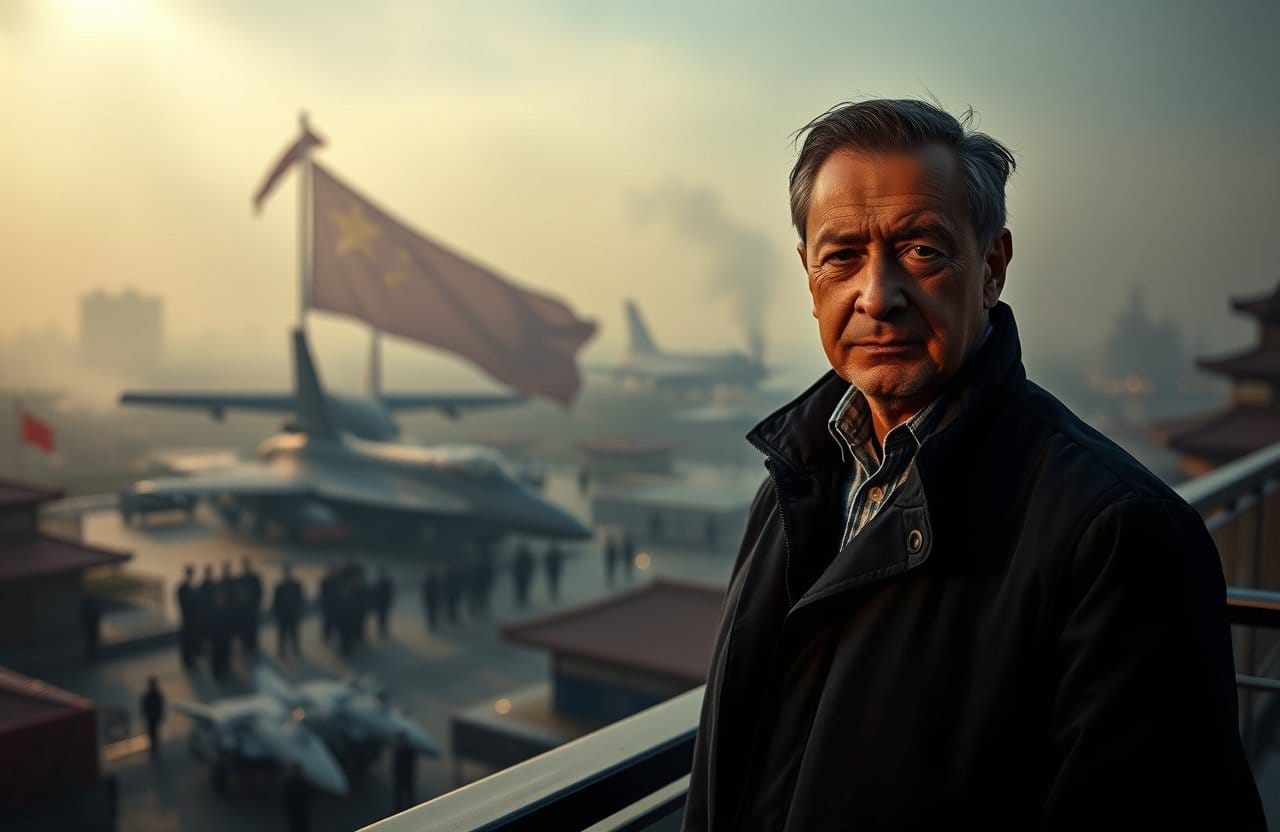
    Xi Jinping’s recent purge of senior generals is a stark demonstration that the People’s Liberation Army has become a political instrument of control rather than a traditional war‑fighting force.

    By removing experienced officers who might question his authority, Xi ensures that the top brass is filled with loyalists who will execute his vision without hesitation.

    This shift underscores a broader trend of politicizing the military, where loyalty trumps expertise and institutional knowledge.

    The American Democracy Project notes that this transformation reflects Xi’s broader governance style of centralized, ruthless, and unaccountable decision making.

    Purges as a Political Tool

    Seasoned generals who built China’s modern war machine are being replaced by officials whose primary qualification is fealty to Xi.

    The removal of dissenting voices eliminates internal checks and balances, consolidating power at the cost of military experience.

    Modernization and Technological Ambition

    Xi’s leadership coincides with a massive investment in advanced weapons systems, from hypersonic missiles to next‑generation naval vessels.

    These projects aim to project power far beyond China’s borders and to rewrite the rules of engagement in the Indo‑Pacific.

    The American Democracy Project emphasizes that the modernization drive is not merely defensive but seeks to establish Chinese dominance on the global stage.

    Risks of Experience Loss

    Sidelining veteran commanders risks eroding operational depth and strategic insight within the PLA.

    In complex conflict scenarios, the lack of seasoned leadership could translate into costly miscalculations.

    Strategic Ambition and Miscalculation

    Loyalist generals are encouraged to adopt aggressive postures, increasing the likelihood of inadvertent escalation with the United States and its allies.

    Such assertiveness may test the limits of crisis management mechanisms that have historically prevented direct confrontation.

    Global Democratic Implications

    Xi’s military overhaul exemplifies how authoritarian regimes weaponize institutions to pursue geopolitical ambitions.

    While democratic nations grapple with internal dysfunction, China is methodically building a force that threatens the existing rules‑based international order.

    The erosion of norms within the PLA mirrors democratic backsliding worldwide, driven by autocrats who manipulate institutions for personal power.

    Call to Action for Democracies

    The American Democracy Project urges policymakers to recognize the dual challenge of a more capable PLA and a weakening democratic fabric.

    Strengthening alliances, investing in resilient defense capabilities, and safeguarding democratic norms are essential to counterbalance China’s ambitions.

    The stakes extend beyond military competition; they involve the future of democracy itself.

    China’s Military Overhaul: Xi Jinping’s Ruthless Reshuffle and Its Global Implications