Author: Daniel McKinney

  • Senator Wicker and the Ukraine Peace Effort: A Closer Look

    Senator Wicker and the Ukraine Peace Effort: A Closer Look

    The Helsinki Committee and Alleged Misconduct

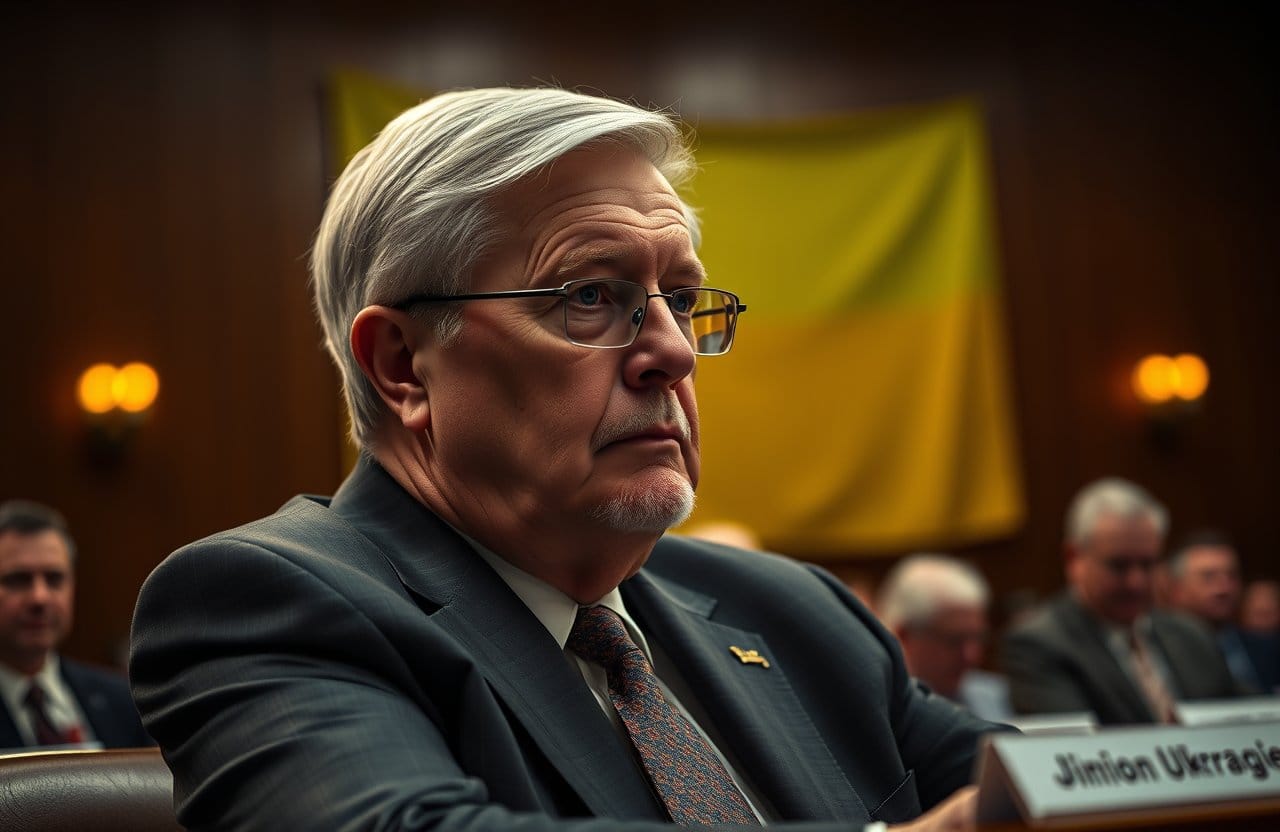
    The Helsinki Committee, under the leadership of Senator Wicker, has come under scrutiny after a former senior official stepped forward with accusations of criminal misconduct. The whistleblower claims that the committee engaged in activities that potentially undermine peace efforts in Ukraine.

    This revelation challenges the narrative that the committee operates with transparency and integrity, especially given its pivotal role in shaping U.S. defense and foreign policy.

    The timing could not be worse. As the conflict in Ukraine demands nuanced and strategic diplomacy, any internal dysfunction or corruption within key oversight bodies threatens to derail progress.

    The American Democracy Project believes that these concerns warrant a thorough and independent investigation to ensure that the committee serves the national interest rather than personal or political agendas.

    Senator Wicker’s Role in Shaping Ukraine Policy

    Senator Wicker has long positioned himself as a hawkish defender of American interests abroad. Yet, his chairmanship of the Senate Armed Services Committee coincides with a period marked by mixed messages and inconsistent policy on Ukraine.

    While publicly supporting aid and military assistance, Wicker’s committee has faced criticism for actions that some interpret as undermining peace negotiations.

    PSuch contradictions fuel skepticism about whether the committee, under Wicker’s stewardship, prioritizes strategic outcomes or political posturing. The American Democracy Project notes that effective governance demands consistency and clarity—qualities that seem in short supply.

    Consequently, the American public and allied partners deserve accountability from those steering this critical aspect of foreign policy.

    HCalls for Accountability Amid Political Turmoil

    The former official’s call for an investigation by the Trump administration adds another layer of complexity. Given the administration’s contentious history with foreign policy and democratic norms, the request evokes skepticism about motives and potential outcomes.

    The American Democracy Project insists that principled oversight transcends partisan gamesmanship. Whether the current administration acts or not, congressional committees must uphold transparency and accountability.

    Otherwise, the risk extends beyond Ukraine—it threatens the credibility of American democracy itself.

    Conclusion:The allegations against Senator Wicker and the Helsinki Committee highlight the perilous intersection of politics and policy in a fragile geopolitical landscape

    The allegations against Senator Wicker and the Helsinki Committee highlight the perilous intersection of politics and policy in a fragile geopolitical landscape. The American Democracy Project remains vigilant, demanding accountability and clear-eyed leadership as the U.S. navigates the complex realities of Ukraine.

    Democracy deserves nothing less.

    Stay informed with The American Democracy Project’s incisive analysis and join the call for genuine accountability today.

    Senator Wicker and the Ukraine Peace Effort: A Closer Look
  • The Network Behind Minneapolis Chaos: Unpacking the Protest Dynamics

    The Network Behind Minneapolis Chaos: Unpacking the Protest Dynamics

    The Calculated Fuel of Protest Organizations

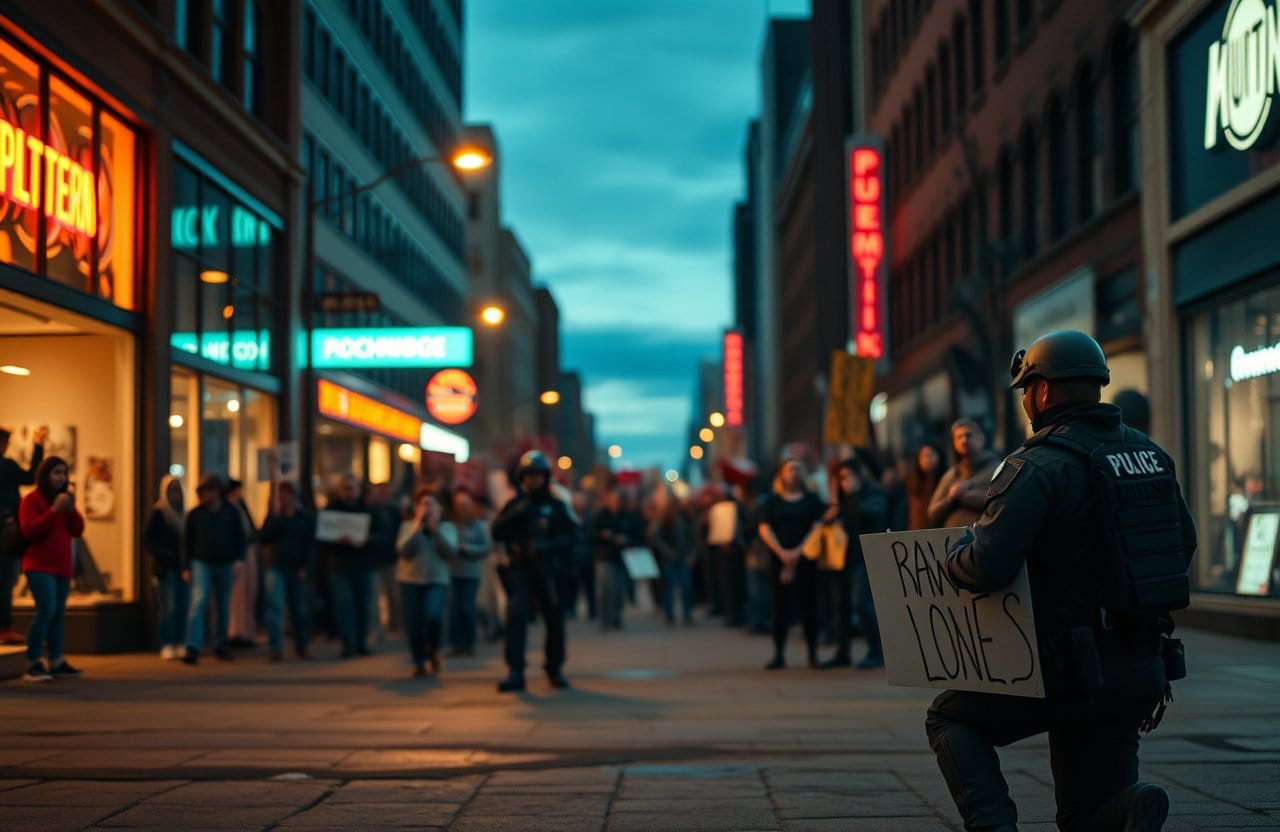
    Minneapolis has not merely witnessed spontaneous protests; it has endured a well-orchestrated campaign by certain groups that thrive on chaos. These organizations, far from being grassroots expressions of frustration, operate with precise intent, leveraging anger and discontent to push an agenda.
    They exploit legitimate grievances but twist them into something far more dangerous for democracy.

    The Impact on Democracy and Governance

    These groups use social media and on-the-ground coordination to escalate tensions deliberately. Their methods include organizing flash mobs, promoting confrontations with law enforcement, and spreading misinformation that fuels fear and confusion.
    Consequently, the city’s fragile social fabric strains under the weight of manufactured outrage, not organic dissent.

    HThe Role of Leadership and Political Hypocrisy

    Leadership matters profoundly in moments of civic unrest. Yet, what we see instead is a parade of political actors who either inflame tensions for gain or stand by impotently, allowing chaos to fester.
    This failure reflects a deeper malaise within the Democratic Party, which struggles to assert control and articulate a clear vision for justice and order.

    On the other side, Republicans exploit unrest to stoke fear and justify authoritarian impulses, but we cannot pretend our own side is blameless. The American Democracy Project refuses to indulge partisan fantasy.
    We demand accountability from Democrats who, despite holding power, fail to govern competently. Their inability to manage protest dynamics leaves a dangerous vacuum filled by extremists on both ends.

    The network behind the Minneapolis chaos is no mystery once we strip away the noise. It reveals a disturbing interplay of calculated agitation, political failure, and governance breakdown.
    The American Democracy Project remains clear-eyed about these realities. To defend democracy, we must demand competence from all sides and reject the chaos merchants who exploit our divisions.
    Stay informed and hold leaders accountable to restore functional democracy.

    The Network Behind Minneapolis Chaos: Unpacking the Protest Dynamics

  • Might Should Serve Freedom: Rejecting Cynical Power Politics

    Might Should Serve Freedom: Rejecting Cynical Power Politics

    The Dangerous Seduction of ‘Might Makes Right’

    When senior policy figures suggest that might makes right, they betray a troubling worldview that dismisses law, morality, and democratic values as mere obstacles to power. This philosophy echoes the darkest instincts of realpolitik, where strength justifies any action, no matter how brutal or self-serving.

    Yet, democracy depends on the rule of law and the moral authority that comes from respect for rights—not on brute force wielded without accountability.

    America’s Founding Principles Demand More

    The U.S. Constitution and the Bill of Rights embody a vision where might is subordinate to the cause of freedom. The framers understood that unchecked power inevitably corrupts and that liberty requires limits on authority—both at home and in foreign policy.

    Consequently, the United States should project strength in ways that enhance democratic governance and human rights globally.

    HThe Hypocrisy of the Current Administration

    We watch with a mix of frustration and disbelief as officials openly promote the very logic that undermines American credibility and global leadership. The claim that might makes right ignores how power used recklessly fuels anti-American sentiment and destabilizes fragile regions.

    It also undercuts the moral standing necessary to lead coalitions or advocate for democratic values abroad.

    This administration’s approach resembles a reckless teenager with a loaded gun—confident in their strength but blind to the consequences. Meanwhile, adversaries and allies alike recalibrate their strategies, often exploiting the chaos caused by this shortsightedness.

    The American Democracy Project demands a return to strategic clarity, where strength serves freedom and not the whims of a few unaccountable actors.

    Conclusion: Might should never be an excuse for lawlessness or oppression

    The American Democracy Project demands that power serve freedom, reflecting America’s founding values and constitutional traditions.

    We must reject cynical shortcuts and embrace the hard work of principled leadership to protect democracy at home and abroad.

    Might Should Serve Freedom: Rejecting Cynical Power Politics

  • Trump’s Fed Pick Warsh Raises Questions on Independence

    Trump’s Fed Pick Warsh Raises Questions on Independence

    Heading Calm Markets Mask Deeper Concerns

    At first glance, markets reacted with little fanfare to Trump’s announcement. Investors seem to have accepted Warsh as a safe pair of hands, given his prior Fed experience.

    However, calm markets rarely signal stability in the longer term, especially when leadership changes come from a president notorious for shaking institutions to suit his whims.

    The Stakes for American Democracy

    We see this not just as a routine personnel change but as a significant moment for democratic governance. The Federal Reserve is supposed to be a technocratic shield against political gamesmanship, tasked with managing the economy responsibly.

    Yet Trump’s pattern of undermining institutions suggests this shield might crack under Warsh’s tenure.

    The markets may remain calm for now, but Trump’s choice of Kevin Warsh signals uncertainty and potential erosion of Federal Reserve independence.

    This development raises alarms about the future of economic policy and democratic accountability in the U.S.

    Trump’s Fed Pick Warsh Raises Questions on Independence